Can You Add Hydronic Heating to an Existing Home? A Guide to Retrofitting in Melbourne
If you love the idea of hydronic heating but already live in an established home, you might assume you have missed your opportunity to install it. Fortunately, hydronic heating is not limited to new builds.
Existing homes can often be retrofitted with a hydronic heating system, with the most suitable setup depending on the property, access, existing heating infrastructure and the type of heat emitters you want to use.
At AquaHeat Hydronic, retrofit installations are a key part of the work we carry out across Melbourne Metro and Regional Victoria. Alongside retrofits, we also design and install hydronic systems for renovations and new builds.
Whether you are considering radiator panels, hydronic underfloor heating or upgrading an older hydronic system, understanding your options is an important first step.
What Is Hydronic Heating?
Hydronic heating is a form of central heating that uses heated water to distribute warmth around a home or office.
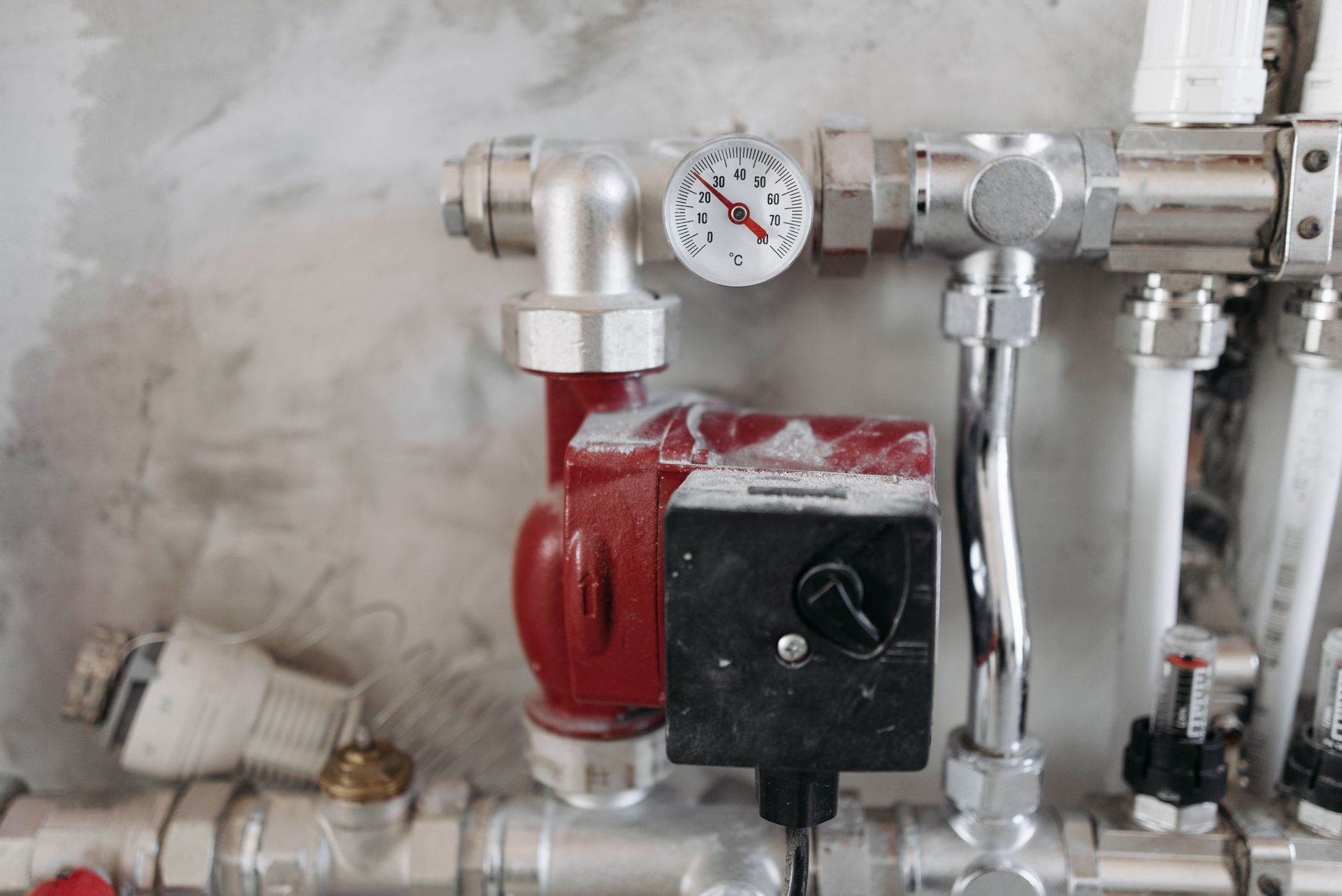
Rather than relying on heated air being pushed through ducts, a hydronic system uses a gas boiler or hydronic electric heat pump to produce hot water. A pump then circulates the heated water through a piping system.
Depending on the system design, that water can deliver warmth through:
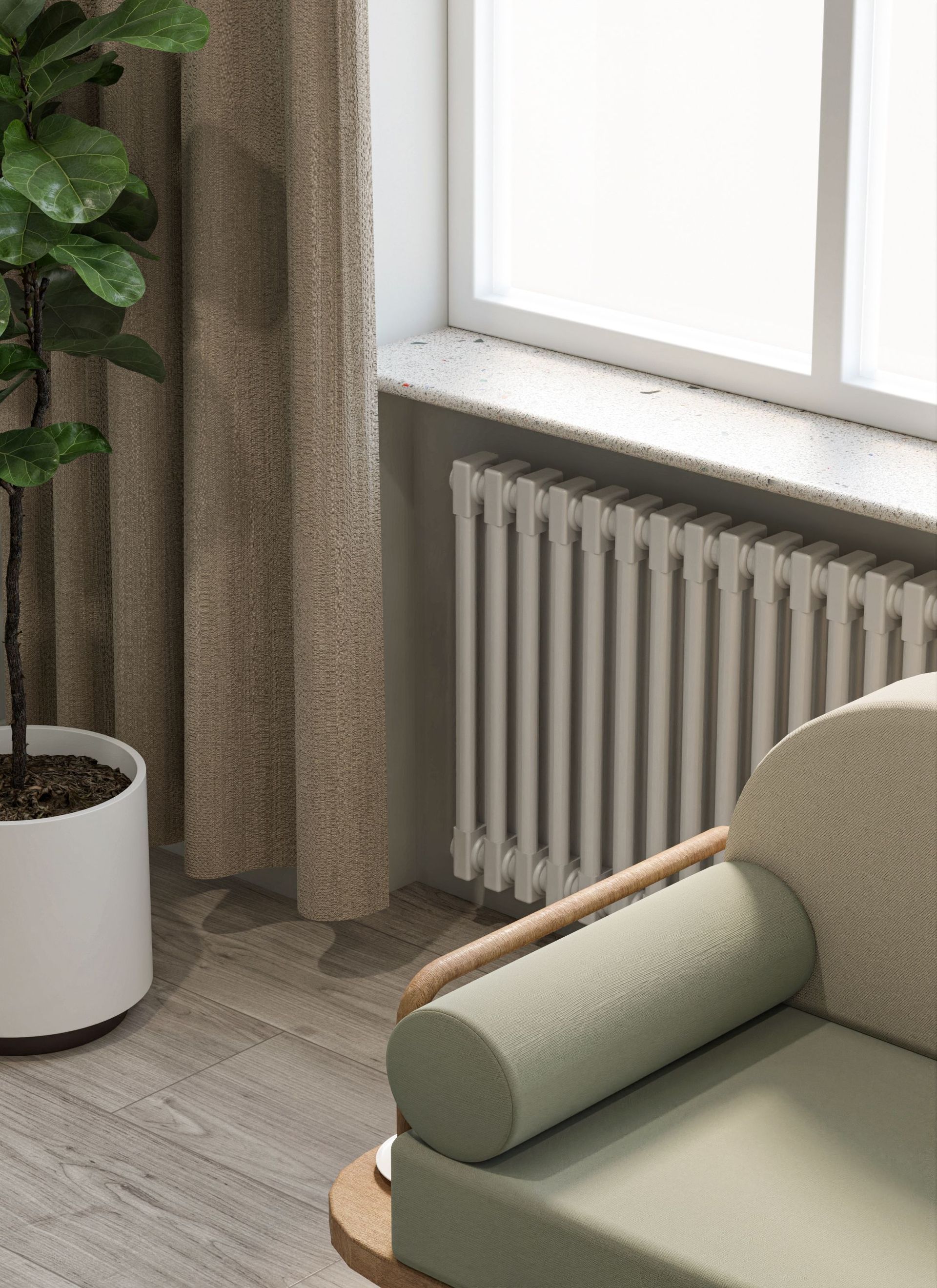
- Hydronic radiator panels
- Hydronic underfloor heating
- Hydronic trench convectors
- Designer towel rails
Hydronic heating produces radiant and convected warmth without relying on fans to distribute heated air throughout the property.
For an existing home, one of the key advantages is that there are different ways to configure a hydronic system. You do not necessarily need the same heat emitter in every room, and the appropriate solution can be designed around the property.
Can Hydronic Heating Be Retrofitted Into an Existing Home?
In many cases, yes.
AquaHeat advises that most homes can be retrofitted with hydronic heating. However, every property is different, so the design and installation approach needs to be considered individually.
A retrofit project involves installing a hydronic heating system into a building that already exists rather than incorporating the entire system during the original construction.
This can require more planning because the installer must work with the home's existing structure, flooring, room layout and available access.
The right approach can depend on factors such as:
- Access beneath the home
- Existing flooring
- Available wall space
- Current heating equipment
- Existing pipework
- Whether an old hydronic system is already installed
- The preferred heat source
- Whether the property is also being renovated
- The number and layout of rooms being heated
This is why a hydronic heating retrofit should be assessed as an individual project rather than approached as a standard one-size-fits-all installation.
Why Consider Retrofitting Hydronic Heating?
For Melbourne homeowners who want to upgrade their heating, hydronic heating provides an alternative to traditional ducted heating.
AquaHeat highlights several benefits of hydronic heating, including quiet operation and the absence of fans. Because the system transfers heat using circulating water and provides radiant and convected warmth, it does not need to continuously blow heated air around the home.
This creates a very different heating experience from a forced-air system.
A retrofit may be particularly worth considering if you are:
- Renovating an existing home
- Replacing an outdated heating system
- Looking for a heating system without fans
- Interested in radiator panel heating
- Considering hydronic underfloor heating
- Upgrading an older hydronic boiler
- Looking at switching an existing hydronic system to a heat pump
- Extending your home and reconsidering how the property is heated
Rather than assuming an existing property cannot accommodate hydronic heating, it is worth having the property assessed to understand what options are practical.
Choosing the Right Hydronic Heating Setup for an Existing Home
There is no single hydronic heating configuration that suits every retrofit.
The system needs to be designed around the property and the homeowner's requirements.
AquaHeat works with several types of hydronic heating products, including radiator panels, underfloor heating, natural gas boilers and hydronic heat pumps.
Hydronic Radiator Panels
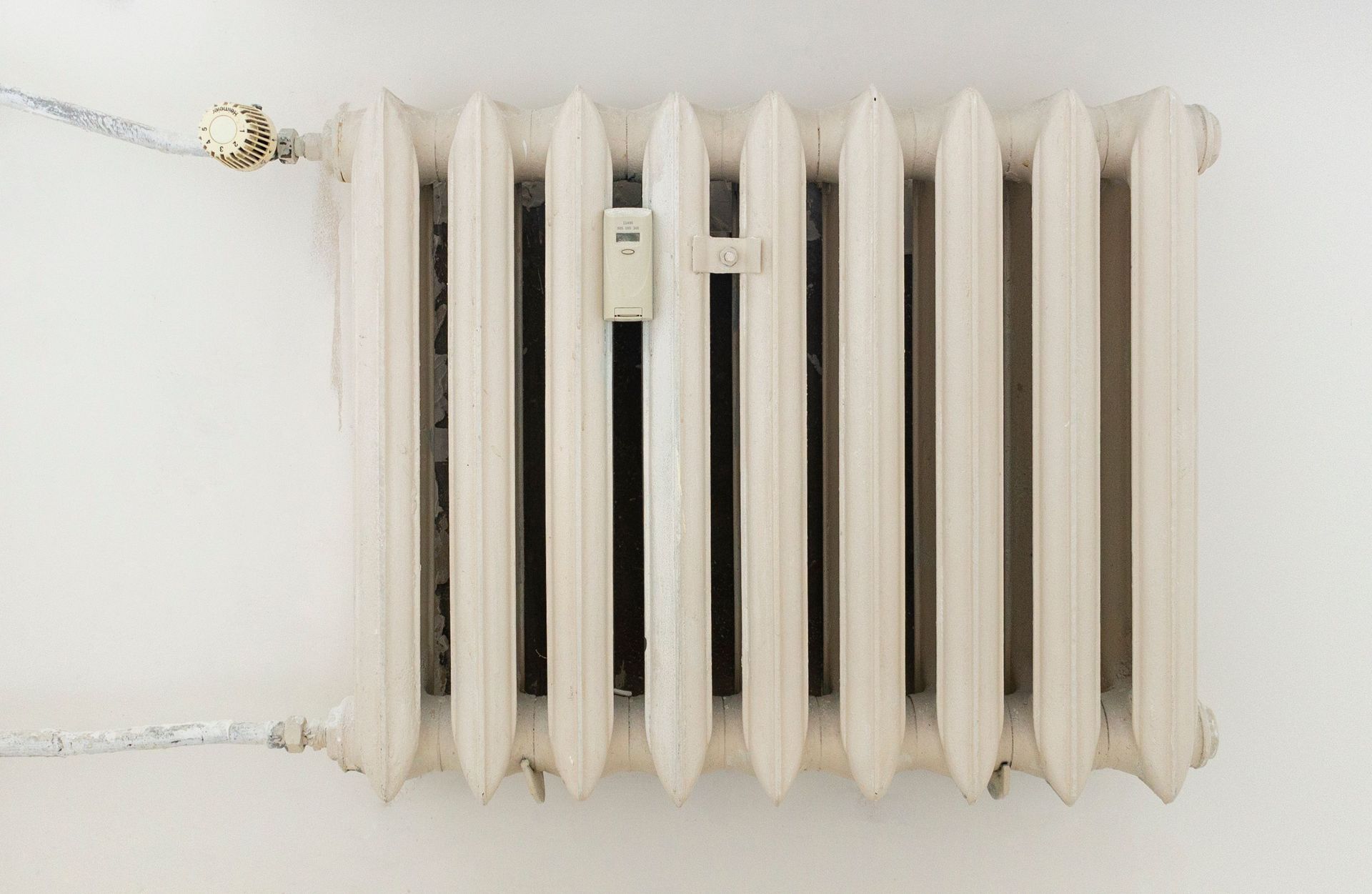
Radiator panels are one of the options available for a hydronic heating retrofit.
Hot water circulates through the panels, allowing them to transfer warmth into the room. Because radiator panels are installed within individual rooms, they can be particularly useful when a homeowner wants hydronic heating without completely rebuilding the home's flooring.
AquaHeat's portfolio includes a retrofit installation in Somers, Victoria, where a completely new hydronic system was installed into an existing property.
The home had access underneath it, which allowed new piping to be installed beneath the house. Hydronic panels and towel rails were then connected to the system.
This is a good example of why the construction and accessibility of an existing home matter when planning a retrofit.
Hydronic Underfloor Heating
Underfloor heating is another option available for hydronic systems.
With hydronic underfloor heating, piping is installed within or beneath the floor area. Heated water circulates through the pipes and allows heat to transfer upwards through the floor.
Underfloor heating is commonly associated with new construction, but retrofit solutions are also possible in suitable properties.
AquaHeat has installed the Uponor MiniTec underfloor heating system as part of its project work. The system uses thin components that can make it suitable for certain retrofit applications.
The appropriate underfloor solution will still depend on the existing floor structure and the overall project.
Combining Underfloor Heating and Radiator Panels
Homeowners do not always have to choose between radiator panels and underfloor heating for the entire property.
A hydronic system can incorporate different heating methods in different parts of the home.
AquaHeat's portfolio includes a Frankston South project involving an existing underfloor heating system and a new double-storey rear extension. Underfloor heating was incorporated on the ground floor of the extension, while radiator panel heating was used upstairs.
The installation also used zoning so the different areas could operate independently through separate thermostats.
This type of configuration demonstrates how hydronic heating can be adapted to renovations and properties where different parts of the building have different requirements.
What Is Hydronic Heating Zoning?
Zoning allows different areas or heating circuits within a hydronic system to be controlled independently.
Rather than treating the entire house as a single heating area, a properly designed system may use different zones with individual controls or thermostats.
This can be useful in a retrofit or renovation where different sections of the property have different heating requirements.
For example, a home may contain:
- An older section with existing hydronic heating
- A newly renovated living area
- An extension
- An underfloor heating circuit
- A radiator panel circuit
AquaHeat has completed installations using multiple zones, including systems combining underfloor heating, radiator panels and hot water.
The exact zoning arrangement needs to be designed for the individual system and property.
Choosing a Heat Source: Gas Boiler or Hydronic Heat Pump
The heat source is another major consideration when retrofitting hydronic heating.
AquaHeat works with both high-efficiency natural gas boilers and hydronic electric heat pumps.
High-Efficiency Natural Gas Boilers
Gas boilers can be used to heat the water circulated through a hydronic heating system.
AquaHeat installs high-efficiency natural gas boilers and also carries out boiler replacements and upgrades.
For homes that already contain hydronic heating, replacing an old or failed boiler can sometimes allow the existing system to continue operating with updated equipment.
AquaHeat's portfolio includes several projects where older boilers were replaced while existing hydronic infrastructure remained part of the system.
Hydronic Electric Heat Pumps
Hydronic electric heat pumps are another heat source available for hydronic heating systems.
AquaHeat installs hydronic heat pumps and has incorporated them into new-build and existing hydronic configurations.
Homeowners with an older boiler may also be interested in whether their existing hydronic system can be upgraded to operate with a heat pump.
AquaHeat advises that most systems can potentially be upgraded, particularly where underfloor heating is already installed.
However, existing radiator panels need to be assessed because undersized panels may require upgrading when changing the system.
This is another reason why professional system assessment and design are important before deciding on a heat source.
What If Your Home Already Has an Old Hydronic System?
Retrofitting does not always mean installing everything from scratch.
Some Melbourne homes already have hydronic heating infrastructure but are operating with an ageing boiler, older controls, manifolds or other components.
Depending on the condition of the system, upgrading selected components may be an option.
AquaHeat works on boilers and hydronic systems of different makes and ages and also carries out repairs and upgrades.
For example, AquaHeat's portfolio includes a Frankston South project where an older boiler had failed. The property already contained radiator panel heating and an older underfloor heating system.
The existing system was thoroughly flushed before a replacement boiler and zoning equipment were installed.
AquaHeat also has experience upgrading components such as underfloor heating manifolds. In a Beaumaris project, an older steel manifold that had started leaking was replaced and the system was flushed, primed, heat tested and balanced.
These projects show why an existing hydronic system should be properly assessed before deciding that the entire installation needs replacing.
Retrofitting Hydronic Heating During a Renovation
If you are already planning a substantial renovation, it can be a practical time to investigate hydronic heating.
Renovation work may provide access to floors, walls and other areas that would otherwise be more difficult to reach in a completed home.
AquaHeat works on both renovation and retrofit projects and can advise on system design based on the individual property.
Planning the heating system as part of the renovation also allows decisions about heat emitters, pipework, zones and controls to be considered alongside the building work.
This is especially useful when an extension is being added to an existing house.
Rather than treating the existing house and extension as completely separate heating challenges, a hydronic system can potentially be designed around both sections.
What Does a Hydronic Heating Retrofit Involve?
Every project is different, but a hydronic heating installation generally involves several stages.
AquaHeat provides continuity from design through to completion, with Nick on site and/or overseeing the installation throughout the process.
The company's pricing structure also itemises different aspects of the project, including hardware, piping and materials, other costs, and the labour associated with design, consultation, rough-in, fit-off, commissioning and handover.
For a retrofit project, the process begins with understanding what is already in the property and what the homeowner wants to achieve.
The assessment may need to consider:
- The existing building layout
- Access for piping
- Existing heating infrastructure
- Suitable locations for heating equipment
- Radiator, underfloor or other heat emitter options
- Boiler or heat pump suitability
- Zoning requirements
- Controls and thermostats
- Installation requirements
- Commissioning and handover
A clear design before installation is particularly important in an established property because the system needs to work with the building that is already there.
What About Servicing After Installation?
A hydronic heating system also requires ongoing attention after installation.
AquaHeat provides fixed-price annual and bi-annual servicing for working hydronic heating systems.
The company's portfolio provides an example of its bi-annual servicing process for a natural gas hydronic boiler system. The service involves inspecting and cleaning relevant components before the system is reassembled and checked.
The hydronic panels or manifolds are also checked to ensure they are properly primed and bled, and thermostat operation is tested.
AquaHeat also repairs hydronic boilers and systems, including hydronic heat pumps, although heat pump refrigeration work is excluded from its repair scope.
This means homeowners can use AquaHeat not only for the original hydronic heating installation but also for ongoing servicing and repairs.
Why Experience Matters With a Retrofit
A retrofit can present challenges that are different from a completely new installation.
An installer may need to work around an existing building structure, older pipework, previous heating equipment or a mixture of old and new areas.
AquaHeat Hydronic is led by Nick Harris, who has more than 27 years of hydronic heating experience across the UK and Australia.
Nick began his career in Oxford, UK, before moving to Melbourne in 2011. After gaining the required Australian licensing qualifications, AquaHeat Hydronic was established in Australia in 2012.
The company is now based in Frankston South and provides hydronic heating installation, servicing and repair services.
That experience covers retrofit, renovation and new-build projects, as well as systems involving boilers, hydronic heat pumps, underfloor heating and radiator panels.
Questions and Answers About Retrofitting Hydronic Heating
Can hydronic heating be installed in an existing Melbourne home?
Yes. AquaHeat advises that most homes can be retrofitted with hydronic heating. The most appropriate solution depends on the individual property, its construction, available access and the type of heating system required
Do I need to use radiator panels throughout the entire house?
Not necessarily. A hydronic system can potentially combine different heat emitters. AquaHeat has completed projects combining hydronic underfloor heating and radiator panels, with zoning used to provide independent control over different sections.
Can underfloor hydronic heating be retrofitted?
It can be possible in suitable properties. AquaHeat has experience with underfloor systems including Uponor MiniTec, which has been used in installations where a low-profile underfloor heating solution was required. Suitability depends on the existing floor and overall project.
Can I replace an old gas boiler with a hydronic heat pump?
AquaHeat advises that most existing hydronic systems can potentially be upgraded, particularly systems with existing underfloor heating. Radiator panels may need to be assessed and upgraded if they are undersized for the new setup.
What if my existing hydronic boiler has stopped working?
AquaHeat repairs boilers and hydronic systems of different makes and ages. Depending on the age, condition and availability of parts, repair may be possible. Where an older boiler needs replacing, AquaHeat can also advise on replacement and upgrade options.
Can my existing underfloor heating system be retained?
This depends on its condition and compatibility with the proposed system. AquaHeat has completed projects where older underfloor heating infrastructure remained in place while other components were upgraded. An assessment is required to determine the best approach.
Does AquaHeat service hydronic heating after installation?
Yes. AquaHeat offers fixed-price annual and bi-annual servicing for working hydronic heating systems. The company also provides repair services for boilers, hydronic systems and hydronic heat pumps, excluding the refrigeration side of heat pump repairs.
Final Thoughts
Owning an established home does not automatically rule out hydronic heating.
A retrofit can provide an opportunity to introduce hydronic radiator panels, underfloor heating or a combination of heating methods into an existing property. Homes that already contain older hydronic infrastructure may also have options for upgrading boilers, heat pumps, manifolds, controls and other system components rather than starting again from scratch.
The important point is that every property needs to be considered individually.
Access, flooring, existing pipework, current heating equipment, room layout and your preferred heat source can all influence the final design. For homeowners who are also renovating or extending, planning hydronic heating alongside the building work can provide additional flexibility when designing the system.
AquaHeat Hydronic specialises in hydronic heating installations, servicing and repairs, with experience across retrofit, renovation and new-build projects throughout Melbourne Metro and Regional Victoria.
With more than 27 years of hydronic heating experience across the UK and Australia, AquaHeat can assess your existing home, explain the available options and design a hydronic heating solution based on the needs of your property.
Recent Blogs