Hydronic Heat Pump vs Gas Boiler: Which Is Right for Your Heating System?
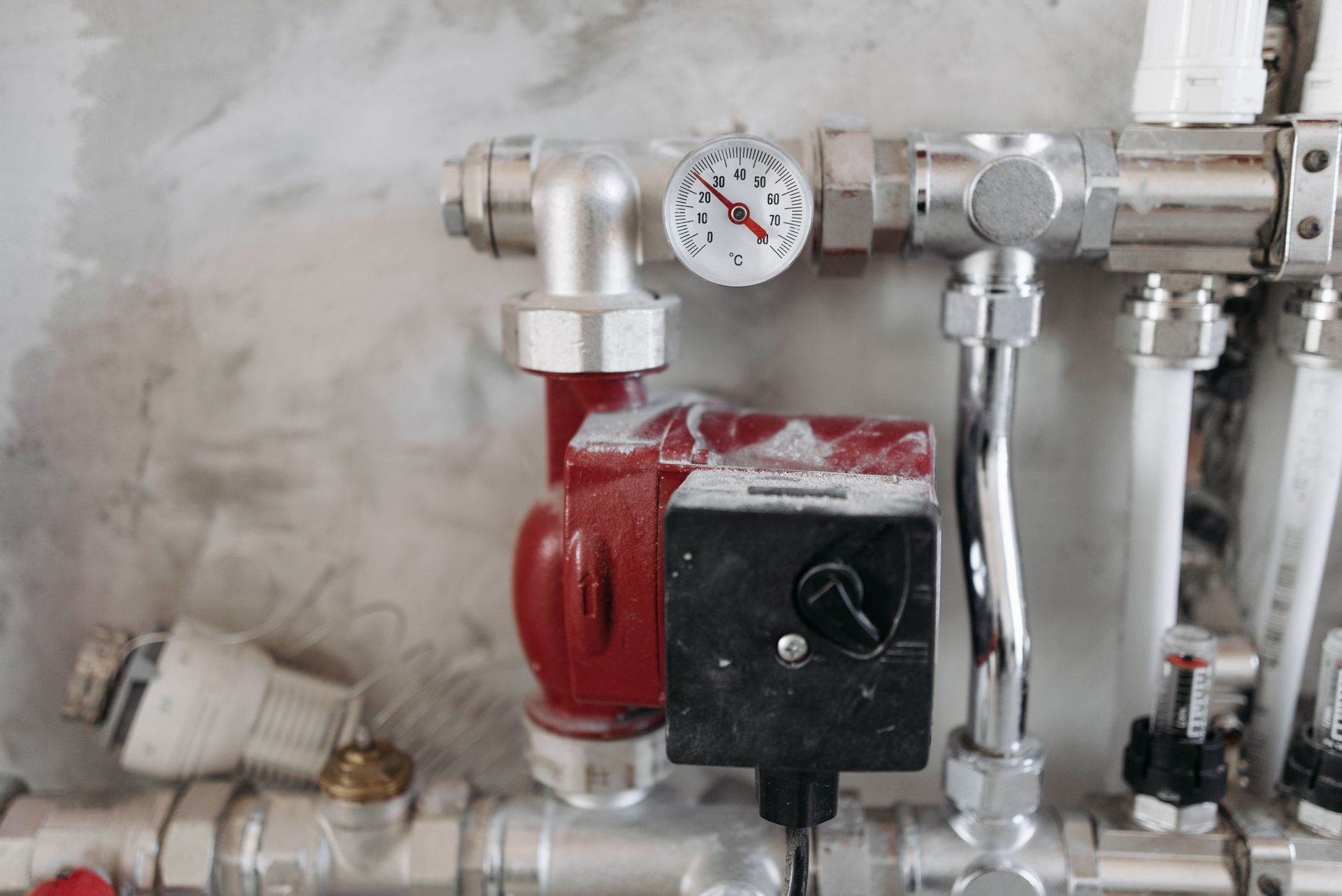
Choosing hydronic heating involves more than deciding between radiator panels and underfloor heating. One of the most important decisions is what will actually heat the water circulating through the system.
Two options offered by AquaHeat Hydronic are high-efficiency natural gas boilers and hydronic electric heat pumps.
Both can form the heart of a hydronic heating system, but they operate in different ways. The right choice can depend on your property, the hydronic system already in place, the type and size of heat emitters being used, and whether you are installing a new system or upgrading an existing one.
AquaHeat Hydronic designs and installs systems using both technologies across Melbourne Metro and Regional Victoria. The company also works with existing hydronic systems where homeowners are considering equipment upgrades.
If you are weighing up a hydronic heat pump vs gas boiler, understanding how these two options fit into a hydronic system can help you have a more informed conversation about the right solution for your property.
First, What Does the Heat Source Do in Hydronic Heating?
Hydronic heating uses heated water to move warmth around a building.
The heat source is responsible for heating that water. Once heated, the water is circulated through piping to the parts of the system that transfer warmth into the rooms.
Depending on the installation, these may include:
- Hydronic radiator panels
- Hydronic underfloor heating
- Hydronic trench convectors
- Designer towel rails
The water then continues through the closed-loop system as part of the heating process.
This makes the boiler or heat pump a central component of the overall installation.
The choice between them should therefore be considered as part of the complete hydronic system rather than as an isolated appliance decision.
What Is a Hydronic Gas Boiler?
A hydronic gas boiler uses natural gas to heat the water required by the heating system.
AquaHeat installs high-efficiency natural gas boilers as part of its hydronic heating services. The company also works with existing boilers through servicing, repairs and replacement projects.
Once the boiler has heated the water, it can be circulated through the hydronic system to the appropriate heating emitters.
Gas boilers have been widely used in hydronic heating installations, including systems containing radiator panels and underfloor heating.
For a property with an existing gas hydronic system, the boiler may already be connected to a network of pipework, controls and heat emitters throughout the building.
In those circumstances, the question may not necessarily be whether hydronic heating should be installed. Instead, the homeowner may need to determine whether the existing boiler should be serviced, repaired or replaced, or whether an alternative heat source should be considered.
What Is a Hydronic Electric Heat Pump?
A hydronic electric heat pump provides another way to heat the water used by a hydronic system.
Rather than using natural gas as its energy source, the hydronic heat pump operates using electricity.
AquaHeat installs hydronic electric heat pumps and has experience integrating them into hydronic heating systems.
Heat pumps can be considered for new hydronic heating installations, but they may also be relevant when looking at an upgrade to an existing system.
Importantly, changing from a boiler to a heat pump is not simply a matter of removing one unit and connecting another.
The entire hydronic system needs to be considered.
AquaHeat notes that most existing hydronic systems can potentially be upgraded, particularly systems using underfloor heating. Existing radiator panels, however, may need to be assessed because undersized panels could require upgrading.
That assessment is an important part of determining whether a hydronic heat pump is appropriate for an existing property.
Hydronic Heat Pump vs Gas Boiler: What Is the Main Difference?
The clearest difference is the energy source.
A natural gas boiler uses gas to produce heat for the water circulating through the system. A hydronic heat pump uses electricity.
However, choosing between them involves more than comparing gas and electricity.
A hydronic heating system consists of multiple interconnected components. The heat source has to work effectively with the pipework, controls and heat emitters used throughout the property.
This means the decision may need to consider:
- Whether the system is new or existing
- Whether the home already has hydronic heating
- The type of heat emitters installed
- The size of existing radiator panels
- Whether underfloor heating is installed
- The condition of existing equipment
- How the system is zoned
- The requirements of the property
- Whether other parts of the system need upgrading
A professional assessment can identify how these elements interact before a new heat source is selected.
Why Underfloor Heating Matters When Considering a Heat Pump
Hydronic underfloor heating distributes warmth through piping installed within or beneath the floor.
The heated water circulates through the pipework and transfers warmth through the floor surface into the room.
AquaHeat advises that existing systems with underfloor heating can be particularly relevant when homeowners are considering upgrading to a hydronic heat pump.
However, every installation still needs to be assessed individually.
An existing system may contain older components, different zones or equipment that needs attention before a new heat source is installed.
The important consideration is compatibility across the complete system.
Simply having underfloor heating does not remove the need for system design and assessment.
What About Homes With Hydronic Radiator Panels?
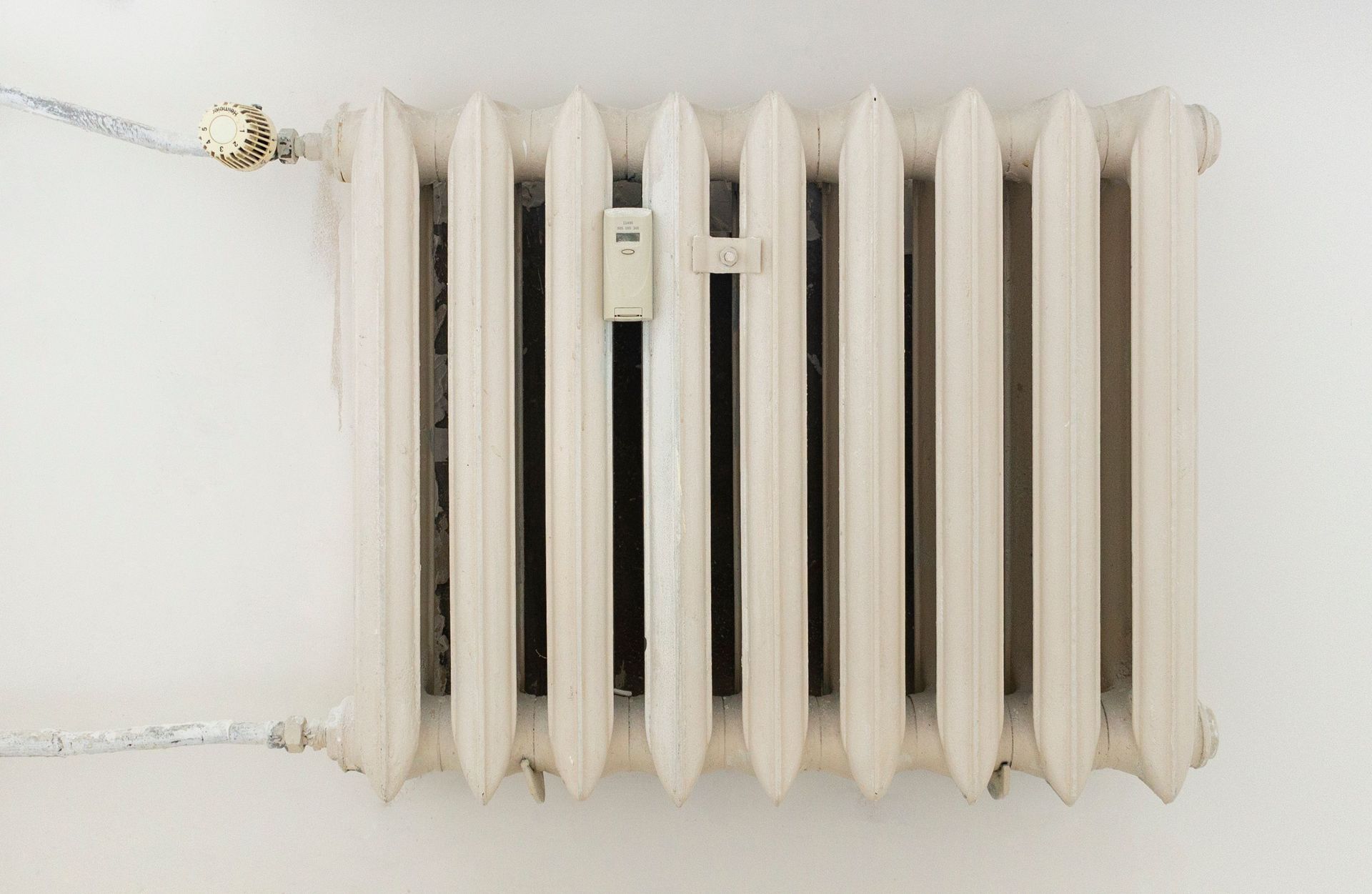
Radiator panels are another common way of delivering heat from a hydronic system into a room.
Hot water passes through the radiator panel, allowing warmth to transfer into the surrounding space.
When considering a hydronic heat pump for a property with existing radiator panels, the size of those panels becomes important.
AquaHeat specifically notes that existing radiator panels may need upgrading if they are undersized when a system is being changed to operate with a heat pump.
This is why an upgrade assessment should include the heat emitters rather than focusing only on the equipment supplying the heated water.
A property may have radiator panels that have been operating as part of an older boiler system for many years. Their suitability for a different heat source should be checked before an upgrade proceeds.
Can You Replace an Old Hydronic Boiler?
Yes, boiler replacement is one of the services AquaHeat provides.
An older boiler does not automatically mean the entire hydronic heating system needs to be removed.
Depending on the condition and configuration of the system, it may be possible to retain existing elements while replacing or upgrading the heat source and other components.
AquaHeat's project portfolio includes examples of older hydronic boilers being replaced while other parts of the existing heating system remained in use.
This can involve more than installing a new boiler.
An older system may also need attention to components such as:
- Controls
- Thermostats
- Manifolds
- Pumps
- Valves
- Existing pipework
- Radiator panels
- Underfloor heating circuits
The condition of the system needs to be understood before determining the appropriate scope of work.
Should You Repair or Replace a Hydronic Boiler?
A boiler that develops a fault does not always need immediate replacement.
AquaHeat repairs hydronic boilers and systems of different makes and ages. Whether a boiler can be repaired depends on factors including the problem itself, the condition and age of the equipment, and whether the necessary parts are available.
This is where professional diagnosis becomes important.
Replacing equipment unnecessarily can create additional cost, while repeatedly repairing a system that requires a broader upgrade may not address the underlying issue.
A proper assessment can help determine whether servicing, repair, replacement or a more substantial system upgrade should be considered.
Can an Existing Gas Hydronic System Be Changed to a Heat Pump?
For homeowners investigating electrification, this is an increasingly relevant question.
According to AquaHeat, most existing hydronic systems can potentially be upgraded, particularly where underfloor heating is already installed.
However, the existing system needs to be evaluated before a heat pump is selected.
For example, radiator panels may require upgrading if they are undersized for the proposed configuration.
The assessment may also need to look at the wider system, including how heating is distributed and controlled throughout the property.
This means changing heat sources should be approached as a hydronic system upgrade rather than simply an appliance swap.
Why System Design Is More Important Than Comparing Appliances
It can be tempting to search for the best hydronic boiler or best hydronic heat pump and make a decision based on the appliance alone.
Hydronic heating does not work that way.
A heat source is only one part of a larger system.
For the heating system to operate as intended, the components need to work together.
A hydronic installation can involve:
- A boiler or heat pump
- Pumps that circulate heated water
- Hydronic pipework
- Radiator panels or underfloor heating
- Manifolds
- Valves
- Thermostats and controls
- Individual heating zones
The design of these elements can vary significantly between properties.
A large home with several heating zones may require a different approach from a smaller property. Similarly, a house using predominantly underfloor heating may have different system requirements from one relying on radiator panels.
This is why AquaHeat approaches hydronic heating through system design, installation and commissioning rather than treating the heat source as a standalone product.
How Does Zoning Fit Into the Decision?
Hydronic heating can be divided into separate zones.
Zoning allows different parts of the heating system to be controlled independently, depending on how the installation has been designed.
For example, a property could have separate zones for different levels or areas of the home.
AquaHeat's project portfolio includes hydronic installations where underfloor heating and radiator panels operate as different zones using separate thermostats.
When a boiler or heat pump is being selected or upgraded, the zoning configuration forms part of the wider system that needs to be considered.
Existing controls may also require assessment when older heating equipment is being replaced.
Don't Overlook the Condition of an Existing Hydronic System
The age of the boiler or heat pump is only one consideration in an existing hydronic installation.
Other components can deteriorate or require attention over time.
AquaHeat's project work includes replacement of an older steel underfloor heating manifold that had begun leaking. Following replacement, the system was flushed, primed, heat tested and balanced.
Another published AquaHeat project involved an older boiler that had failed in a property containing both radiator panels and an older underfloor heating system. The existing system was thoroughly flushed before the replacement boiler and zoning equipment were installed.
Examples like these demonstrate why evaluating the complete installation is important.
Installing a new heat source without considering the condition of the rest of the system may overlook components that also need attention.
The Importance of Hydronic Heating Servicing
Whether a system uses a natural gas boiler or hydronic electric heat pump, ongoing maintenance should form part of the overall heating plan.
AquaHeat provides fixed-price annual and bi-annual servicing for working hydronic heating systems.
For natural gas boiler systems, AquaHeat's published servicing information includes inspection and cleaning of relevant boiler components before the unit is reassembled and checked.
Radiator panels or manifolds can also be checked to make sure they are correctly primed and bled, while thermostat operation can be tested.
Regular servicing also gives the technician an opportunity to inspect the system rather than waiting until the heating stops working.
AquaHeat additionally provides repairs for boilers, hydronic systems and hydronic heat pumps. Refrigeration work associated with heat pumps is excluded from AquaHeat's repair scope.
Choosing a Hydronic System for a New Home
The heat source decision is not limited to existing properties.
AquaHeat also designs hydronic heating systems for new builds.
Planning hydronic heating during the design and construction stages provides an opportunity to consider the system as part of the overall building project.
Decisions can be made about:
- The proposed heat source
- Underfloor heating
- Radiator panel locations
- Heating zones
- Thermostat locations
- Pipework
- Manifolds
- Controls
Considering these elements together can help create a hydronic system designed specifically around the property.
AquaHeat works with homeowners, builders and architects on hydronic heating projects, providing design and installation services through to commissioning and handover.
What About a Major Home Renovation?
A renovation can also be an appropriate time to review how an existing property is heated.
If a home already contains hydronic heating, renovation works may create an opportunity to reassess older equipment or expand the system into new areas.
If hydronic heating is being introduced for the first time, the project can be designed around the renovation plans.
AquaHeat's experience includes renovation projects involving combinations of underfloor heating and radiator panels, demonstrating that hydronic systems can be designed around different sections and requirements within a property.
The heating source should therefore be considered alongside the overall renovation and hydronic design rather than selected separately.
Questions and Answers About Hydronic Heat Pumps and Gas Boilers
Does AquaHeat install both gas boilers and hydronic heat pumps?
Yes. AquaHeat installs high-efficiency natural gas boilers and hydronic electric heat pumps as heat sources for hydronic heating systems.
Can an existing hydronic heating system be upgraded to a heat pump?
AquaHeat advises that most systems can potentially be upgraded, particularly where underfloor heating is already installed. The existing system needs to be assessed before an upgrade is recommended.
Will my existing radiator panels work with a hydronic heat pump?
This depends on the existing radiator panels and system design. AquaHeat notes that undersized radiator panels may need to be upgraded when changing an existing system to a heat pump.
Can AquaHeat replace an old gas boiler without replacing the entire hydronic system?
Depending on the condition and configuration of the existing system, boiler replacement can be carried out while retaining suitable existing hydronic components. AquaHeat has completed projects involving replacement boilers connected to existing heating systems.
Does a faulty boiler always need replacing?
Not necessarily. AquaHeat repairs hydronic boilers and systems of different makes and ages. Whether repair is appropriate depends on the fault, the equipment's condition and whether suitable replacement parts are available.
Can a hydronic heat pump work with underfloor heating?
Yes. AquaHeat installs hydronic heat pumps in hydronic heating systems and identifies existing underfloor heating systems as particularly relevant when considering an upgrade from an existing heat source.
Can one hydronic system have different heating zones?
Yes. Hydronic systems can be designed with separate zones. AquaHeat has completed projects where underfloor heating and radiator panel heating operate in different zones with separate thermostat control.
Does AquaHeat service hydronic heat pumps and boilers?
AquaHeat offers fixed-price annual and bi-annual servicing for working hydronic heating systems and repairs boilers, systems and hydronic heat pumps. Refrigeration work on heat pumps is excluded from AquaHeat's repair services.
Final Thoughts
The choice between a hydronic heat pump and a natural gas boiler should not be based on the heat source alone.
The boiler or heat pump forms part of a complete heating system that may include underfloor pipework, radiator panels, manifolds, pumps, thermostats, controls and multiple heating zones. Each of those components can influence what is suitable for a particular property.
For an existing hydronic system, the condition and design of the current installation are especially important. Underfloor heating may make a property suitable for certain upgrade options, while existing radiator panels may need to be assessed to determine whether they are appropriately sized.
An ageing boiler also does not automatically mean the entire hydronic system has reached the end of its useful life. Depending on the installation, servicing, repair, boiler replacement or a broader upgrade may be possible.
For new builds and major renovations, considering the heat source alongside the complete hydronic design allows the system to be planned around the property from the beginning.
AquaHeat Hydronic designs, installs, services and repairs hydronic heating systems across Melbourne Metro and Regional Victoria. With experience working with both high-efficiency natural gas boilers and hydronic electric heat pumps, AquaHeat can assess the property and hydronic system requirements before recommending an appropriate heating solution.
Recent Blogs