Hydronic vs Ducted Heating: Which Is Right for Your Melbourne Home?
Choosing how to heat your home is one of the bigger decisions you will make as a Melbourne homeowner, and for most people it comes down to two options: hydronic heating or ducted heating. Both will keep you warm through a cold Victorian winter, but they do it in very different ways, with real differences in comfort, cost, and air quality. Understanding the hydronic vs ducted heating question properly will help you choose the system that genuinely suits your home, your health, and your budget.
At AquaHeat, we specialise in hydronic heating, but we believe in giving honest, balanced advice. Here is a fair look at how the two compare.
Key takeaways
- Ducted heating warms air and blows it through vents, while hydronic heating warms water and radiates gentle heat into your rooms.
- Hydronic heating is quieter, more even, and does not circulate dust, which suits allergy sufferers.
- Ducted systems are often cheaper to install upfront and, in reverse-cycle form, can also provide cooling.
- Hydronic heating tends to be more efficient to run, with AquaHeat noting savings of around 20 percent over ducted.
- The best choice depends on your priorities, and AquaHeat can help you weigh them up.
Hydronic vs ducted heating: what is the difference?
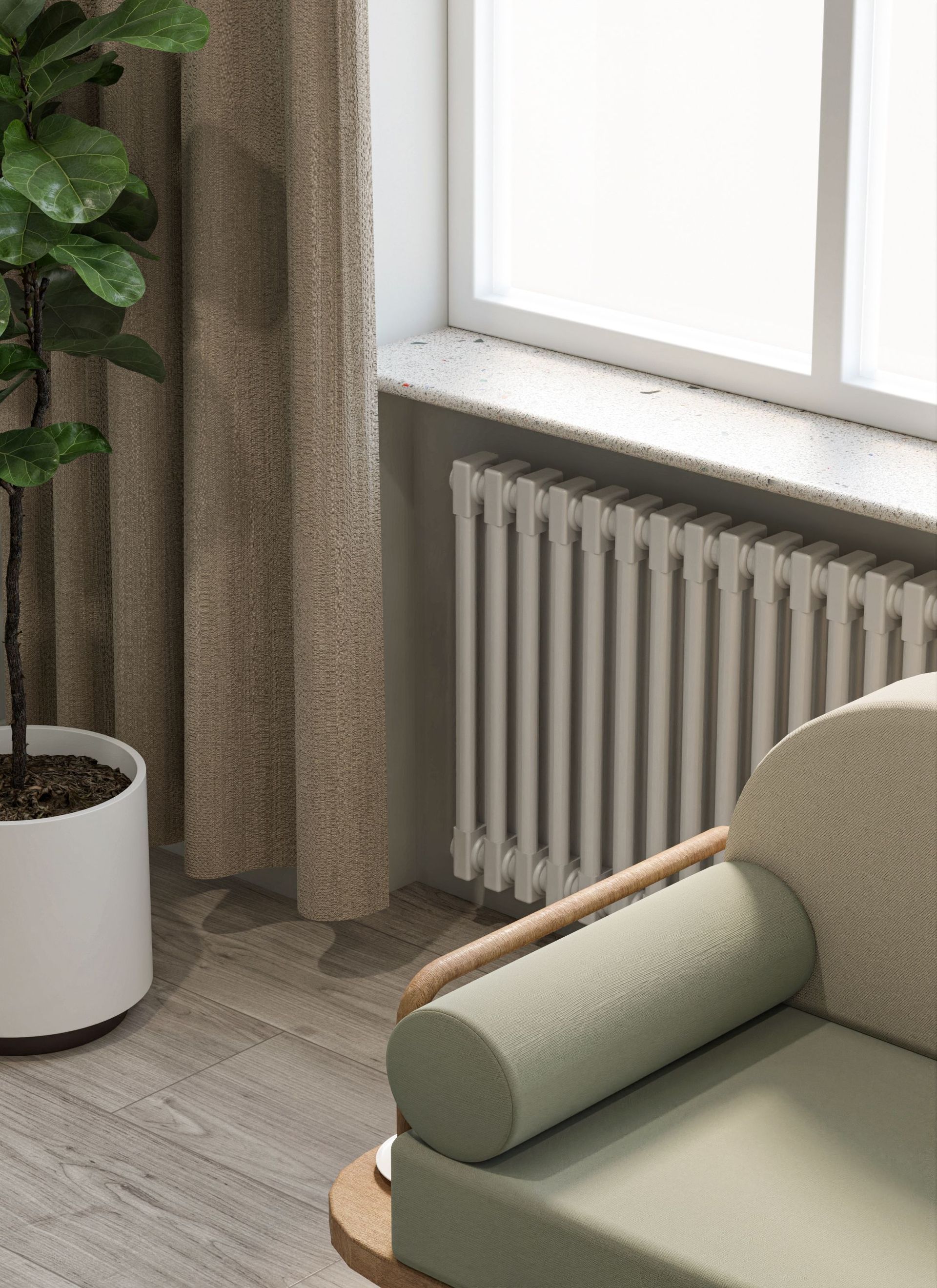
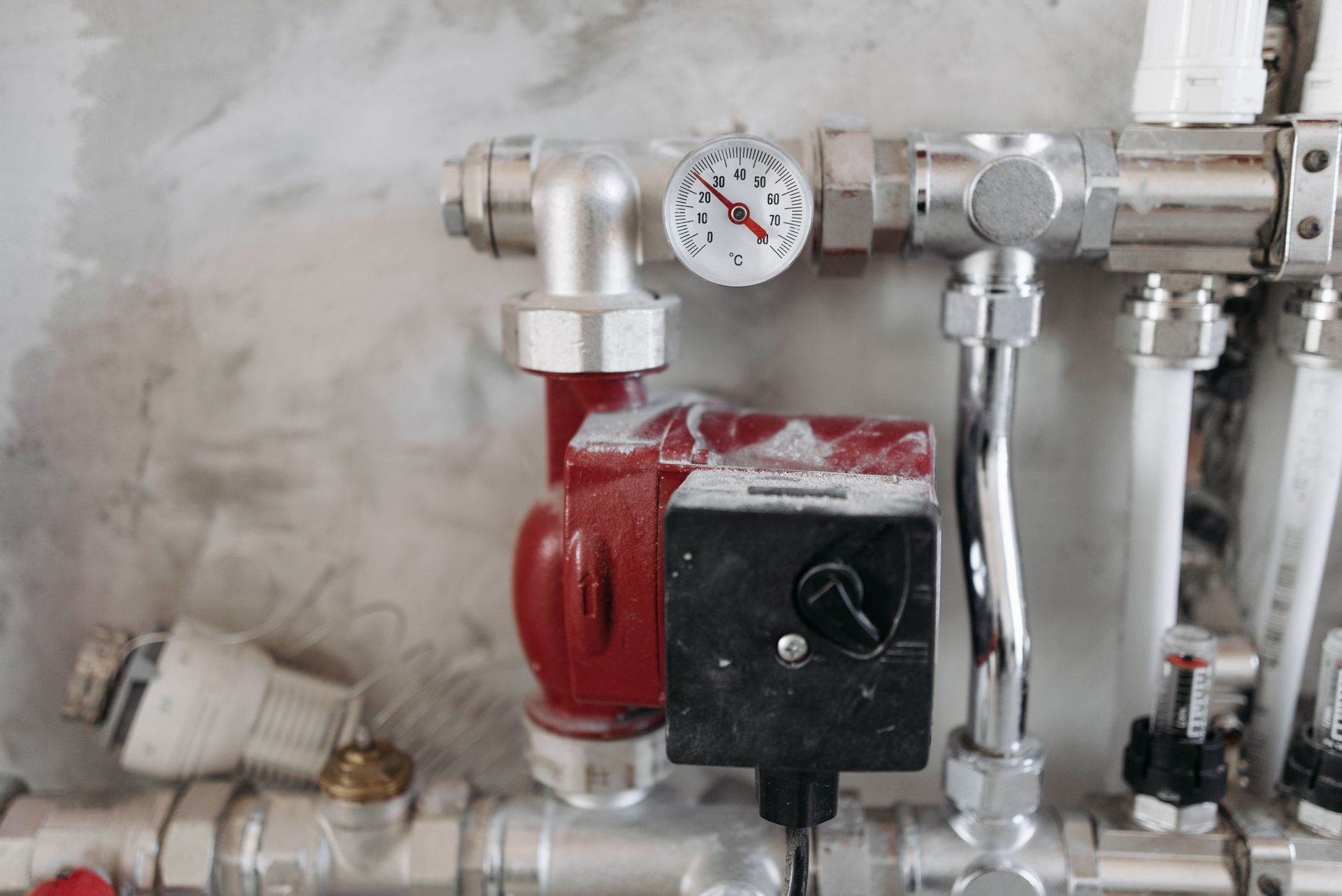
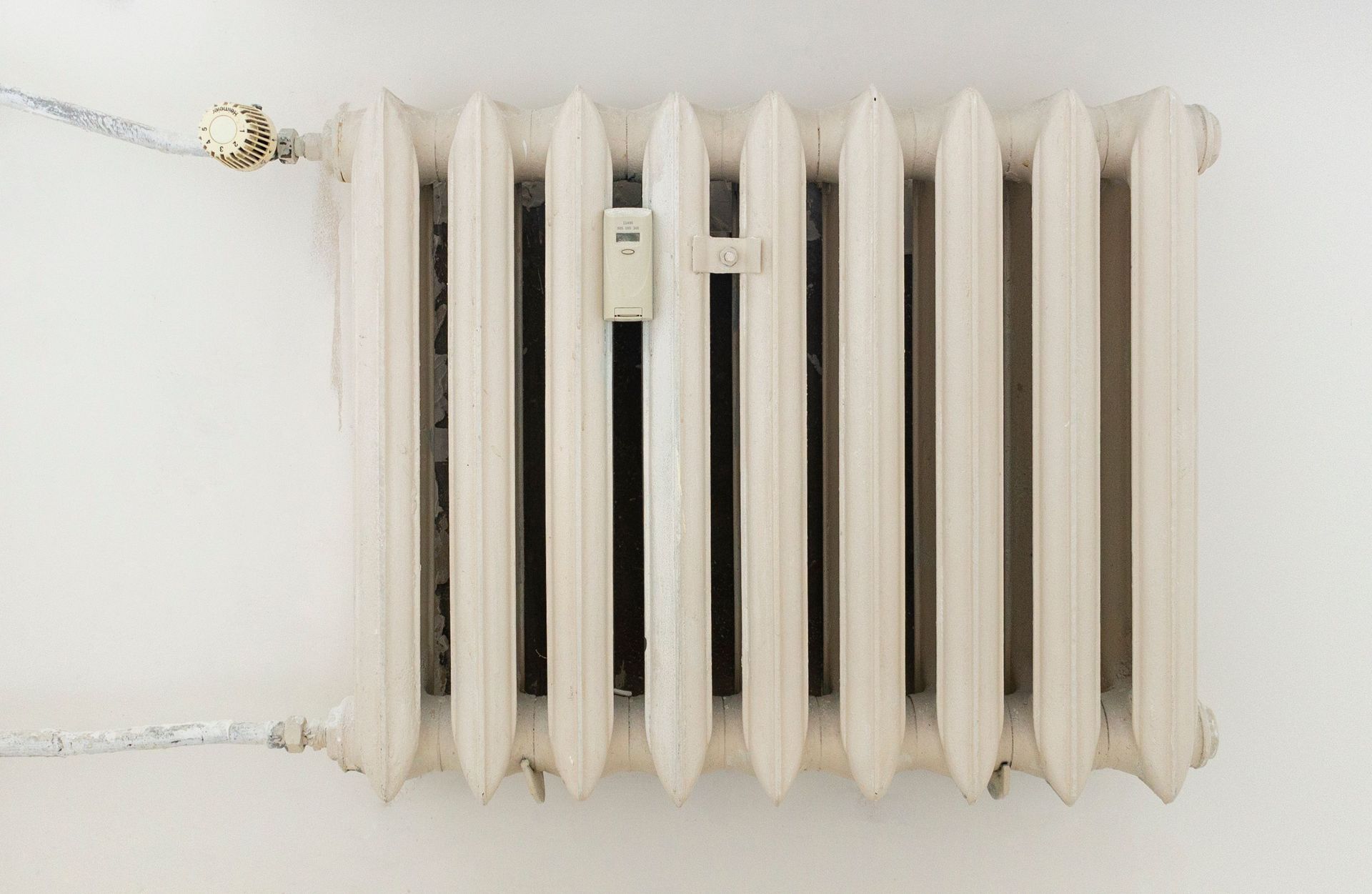
The core difference is simple: ducted heating warms and moves air, while hydronic heating warms and moves water. A ducted system heats air at a central unit and pushes it through ducts and vents into your rooms using fans. A hydronic system heats water in a gas boiler or heat pump and circulates it through pipes to radiator panels, underfloor heating, or trench convectors, which then radiate warmth into the space.
That single difference, air versus water, is what drives almost every other point of comparison, from how the heat feels to how clean your air is and how much you pay to run it.
Comfort: how the heat actually feels
This is where many people notice the biggest difference. Ducted heating warms a room quickly by filling it with hot air, but it can create hot and cold spots, noticeable draughts, and the constant low hum of a fan.
Hydronic heating works more gently. Because the warmth radiates from surfaces rather than being blown around, it spreads evenly across the room with no draughts and virtually no noise. The result is a softer, more consistent, more comfortable kind of warmth. It can take a little longer to reach temperature, but it holds that warmth beautifully and feels natural rather than blasted.
Air quality and health
For anyone sensitive to dust or allergens, this comparison matters a great deal. Ducted systems circulate air throughout your home, which can also move dust and allergens around unless filters are kept clean and well maintained.
Hydronic heating does not blow air at all. It warms through radiation and convection, so it does not stir up or circulate dust and allergens. This is why hydronic heating is often preferred by people with asthma or allergies, and why it is commonly chosen for medical facilities. If clean, calm indoor air is a priority for your household, this is a strong point in hydronic's favour.
Running costs and efficiency
Once installed, hydronic heating is generally the more efficient system to run. According to AquaHeat, a hydronic system can cost around 20 percent less to operate than a ducted system in a home with average ceiling heights, with the savings growing larger in bigger homes and those with higher ceilings. Part of the reason is that water carries heat far more effectively than air, and hydronic systems are sealed, which reduces losses.
Ducted heating can be inexpensive to run in smaller, well-sealed spaces, but heating large volumes of air, especially in homes with high ceilings, tends to be less efficient over time.
Upfront cost and installation
Here is where ducted heating often has the edge. A ducted system is frequently cheaper to install upfront and can be quicker to fit, particularly in a new build with easy roof or subfloor access for ductwork.
Hydronic heating usually costs a little more to install initially, as it involves a boiler or heat pump, pipework, and emitters like radiators or underfloor coils. The good news is that most homes can be retrofitted with hydronic heating, and because it is more efficient to run, that higher upfront cost is steadily earned back over the years. It is best thought of as a longer-term investment in comfort and efficiency.
Heating and cooling: an important difference
This is a point worth being completely clear about. A reverse-cycle ducted system can provide both heating in winter and cooling in summer from the one system, which some households value for year-round convenience.
Hydronic heating, on the other hand, is a heating system only. It does not cool your home. If having a single system for both heating and cooling is a priority for you, that is a genuine advantage of ducted reverse-cycle. Many hydronic homes simply pair their heating with a separate cooling solution for summer, but it is an important factor to weigh honestly.
Does your home make a difference?
Absolutely, and it is worth thinking about before you decide. The size of your home, your ceiling heights, and whether you are building new or retrofitting all influence which system makes the most sense.
Larger homes and those with high ceilings tend to favour hydronic heating, because the efficiency advantage grows as the volume of space increases, and radiant warmth handles big rooms comfortably. New builds and major renovations are the easiest time to install either system, since access is straightforward, though hydronic can still be retrofitted into most existing homes. Underfloor heating, in particular, is simplest to include during a build or renovation. A quick assessment of your specific home is the best way to know what will work well and what it will involve.
So which should you choose?
There is no single right answer, because the best system depends on what matters most to you.
Hydronic heating is likely the better choice if you prioritise gentle, even comfort, quiet operation, cleaner air for allergy sufferers, and lower running costs over the long term. It is ideal for homeowners who want a premium, healthy, efficient heating experience and are happy to invest a little more upfront.
Ducted heating may suit you better if your main priorities are a lower upfront cost, very fast warm-up, or a single reverse-cycle system that also handles summer cooling.
For many Melbourne homeowners who value comfort and air quality, hydronic wins comfortably. But the honest answer is that it comes down to your home, your household, and your budget.
How AquaHeat can help
If you are leaning towards hydronic heating, we can guide you through every step. AquaHeat designs, installs, services, and repairs hydronic systems across Melbourne Metro and regional Victoria, working on retrofit, renovation, and new build projects alike. With 27 years of experience across the UK and Australia, plus transparent, itemised pricing and genuine continuity from design to completion, you get expert advice you can trust.
We are always happy to talk through your options honestly, so you end up with the right system for your home rather than the one that is easiest to sell.
Frequently asked questions
Which is cheaper to run, hydronic or ducted heating?
Hydronic heating is generally more efficient to operate. AquaHeat notes savings of around 20 percent over a ducted system in a home with average ceiling heights, with greater savings in larger homes.
Which is better for allergies?
Hydronic heating, for most people. Because it does not blow air around, it does not circulate dust and allergens, which is why it is often preferred by allergy sufferers and medical facilities.
Is ducted heating cheaper to install?
Often, yes. Ducted systems are frequently cheaper and quicker to install upfront, while hydronic heating costs a little more initially but is more efficient to run over time.
Can hydronic heating cool my home in summer?
No. Hydronic heating is a heating system only. A reverse-cycle ducted system can heat and cool, so many hydronic homes use a separate cooling solution for summer.
Can I retrofit hydronic heating into my existing home?
In most cases, yes. Most homes can be retrofitted with hydronic heating, and AquaHeat can talk you through the options and pricing for your particular home.
Ready to choose the right system?
The hydronic vs ducted heating decision really comes down to what you value most: gentle, clean, efficient warmth, or a lower upfront cost with optional cooling. If comfort, air quality, and long-term efficiency top your list, hydronic heating is well worth serious consideration, and the right advice makes all the difference.
Let's chat today. Get in touch with AquaHeat, and we will help you choose the heating system that is genuinely right for your Melbourne home.
Recent Blogs