
Hydronic Heating Installation in Melbourne: How Quotes Work and What Shapes the Price
Underfloor heating is one of the most requested parts of a modern hydronic system, but "underfloor" covers several different installation methods. The right one depends on whether you are building new, renovating or working with an existing floor. This guide explains how
hydronic underfloor heating installation in Melbourne works, the main system types and what to plan for before the floor goes down.
How Hydronic Underfloor Heating Works
A hydronic system heats water with a gas boiler or heat pump. For underfloor heating, that water is pumped through loops of pipework laid beneath the floor surface, which warms the floor and, in turn, the room.
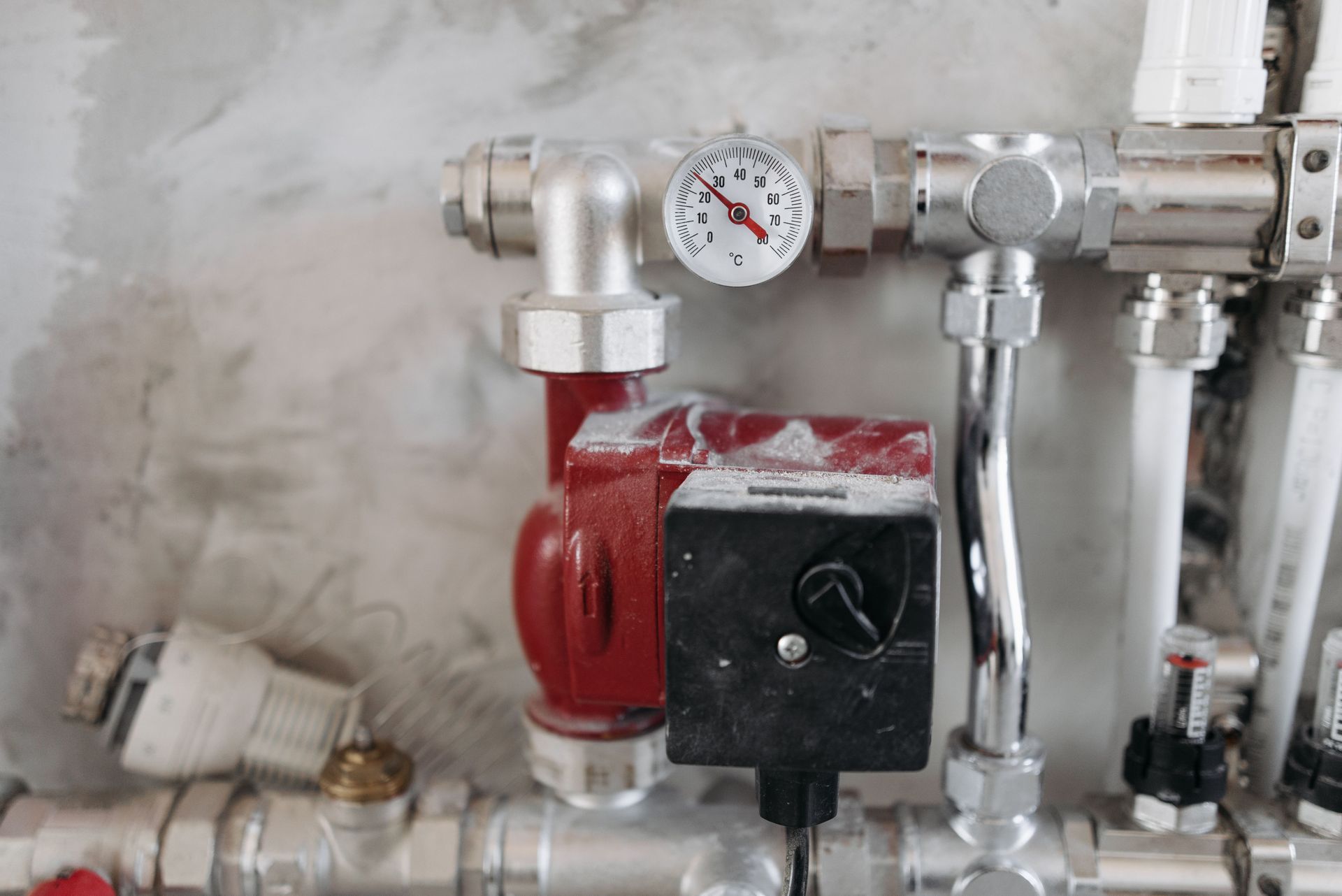
Each loop runs back to a
manifold, which distributes water to the different circuits and allows zones to be controlled separately. Because the heat comes from the floor itself, there are no visible panels in the room, which suits open plan living areas and minimalist interiors.
What pipework do we use?
We install high-quality hydronic piping using trusted European materials, including Rehau pipework with an oxygen barrier. Our projects also use Uponor underfloor systems. Correct sizing and layout of the pipe runs is essential for even flow across every circuit.
The Three Main Hydronic Underfloor Heating Installation Methods
The biggest decision is how the pipework is built into the floor. Each method suits a different stage of a project.
| Method | Best suited to | When it is installed |
|---|---|---|
| In-slab | New builds with a concrete slab | Before the slab is poured |
| In-screed | Renovations and extensions with a new screed layer | Before the screed is laid over the base |
| Retrofit / low-profile | Existing homes where floor height is limited | Planned around the existing floor, before the final floor covering |
In-slab underfloor heating for new builds
In-slab heating places the pipework within the concrete slab of a new home. Because it is laid before the pour, it has to be coordinated closely with your builder and concreter. Once the slab is poured, the pipework is permanently in place, so design and pressure testing need to be right first time.
In-screed underfloor heating
In-screed systems embed the pipework in a screed layer laid over a structural base. They are a common choice for renovations and extensions. In our Tooradin new build project, the installation was staged: underfloor heating circuits were embedded into the screed early in construction, with mains pipework installed in readiness for later system integration.
Retrofit underfloor heating for existing homes
Retrofit systems are designed for homes where the floor is already in place. Floor height, door clearances and the existing floor structure all shape what is possible. A site inspection helps confirm the right approach for your property.
Low-Profile Underfloor Heating for Renovations
Where adding height is a problem, a low-profile system can be the answer. In our Silverleaves new build, we installed Uponor MiniTec underfloor heating, using 12mm sheets with embedded piping and a self-levelling finish. The result was an overall height of approximately 15mm.
Low-profile systems can suit:
- Renovations where floor levels must match adjoining rooms
- Upper storeys where a full screed is impractical
- Projects where door and cabinetry clearances are tight
Whether a low-profile system suits your home depends on the existing floor and the finish you plan to lay, so we assess this as part of the design.
Want to know which underfloor method suits your project? Call AquaHeat on 0456 247 183 or email your plans to info@aqhc.com.au.
Zoning, Manifolds and Controls
Underfloor heating works best when it is zoned. Separate zones let you heat living areas, bedrooms or an extension independently, each with its own thermostat.
Our project work shows how flexible this can be:
- Silverleaves: five heating zones combining underfloor heating, hot water and a designer panel feature zone
- Frankston South: a three-zone design integrating an existing system with a proposed double-storey extension
- Tooradin:
a multi-zone control system across underfloor heating and radiator panels
Choosing your thermostats
When you request a quote, it helps to know whether you prefer programmable or WiFi-enabled thermostats. Our installations have included Honeywell thermostats and Nest smart thermostats, depending on the project.
Combining Underfloor Heating with Radiators and Trench Convectors
Many homes do not need underfloor heating in every room. A combined system lets each space use the emitter that suits it best.
| Emitter | Where it often suits |
|---|---|
| Underfloor heating | Open plan living, kitchens and bathrooms |
| Radiator panels | Bedrooms, studies and retrofit areas |
| Designer radiator panels | Feature walls and modern interiors |
| Heated towel rails | Bathrooms and wet areas |
| Trench convectors | Areas with full-height glazing and glass walls |
Underfloor heating vs radiator panels
| Consideration | Hydronic underfloor heating | Hydronic radiator panels |
|---|---|---|
| Visibility | Hidden beneath the floor | Wall-mounted, visible panels |
| Best project stage | Planned into new builds and renovations | Suits new builds and retrofits |
| Floor works | Requires slab, screed or low-profile layer | No floor build-up required |
| Furniture placement | Wall space stays free | Panels take up some wall space |
| Response | Typically gradual, steady warmth | Typically faster response heating |
Trench convectors are built into the floor with grilles that sit flush and can be matched to timber, parquet or engineered flooring, which makes them a useful partner to underfloor heating in glass-heavy rooms.
Heat Source Options for Underfloor Systems
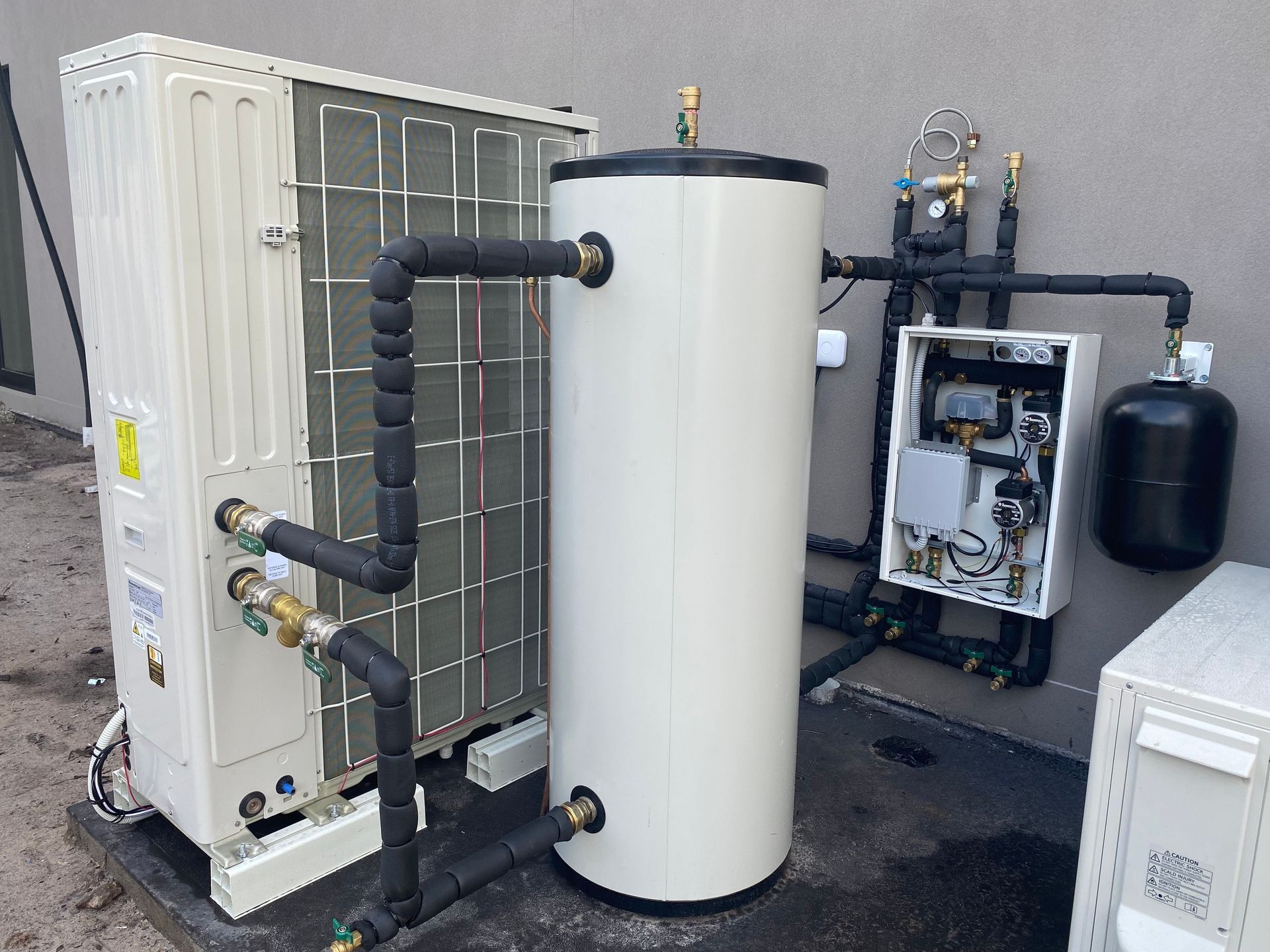
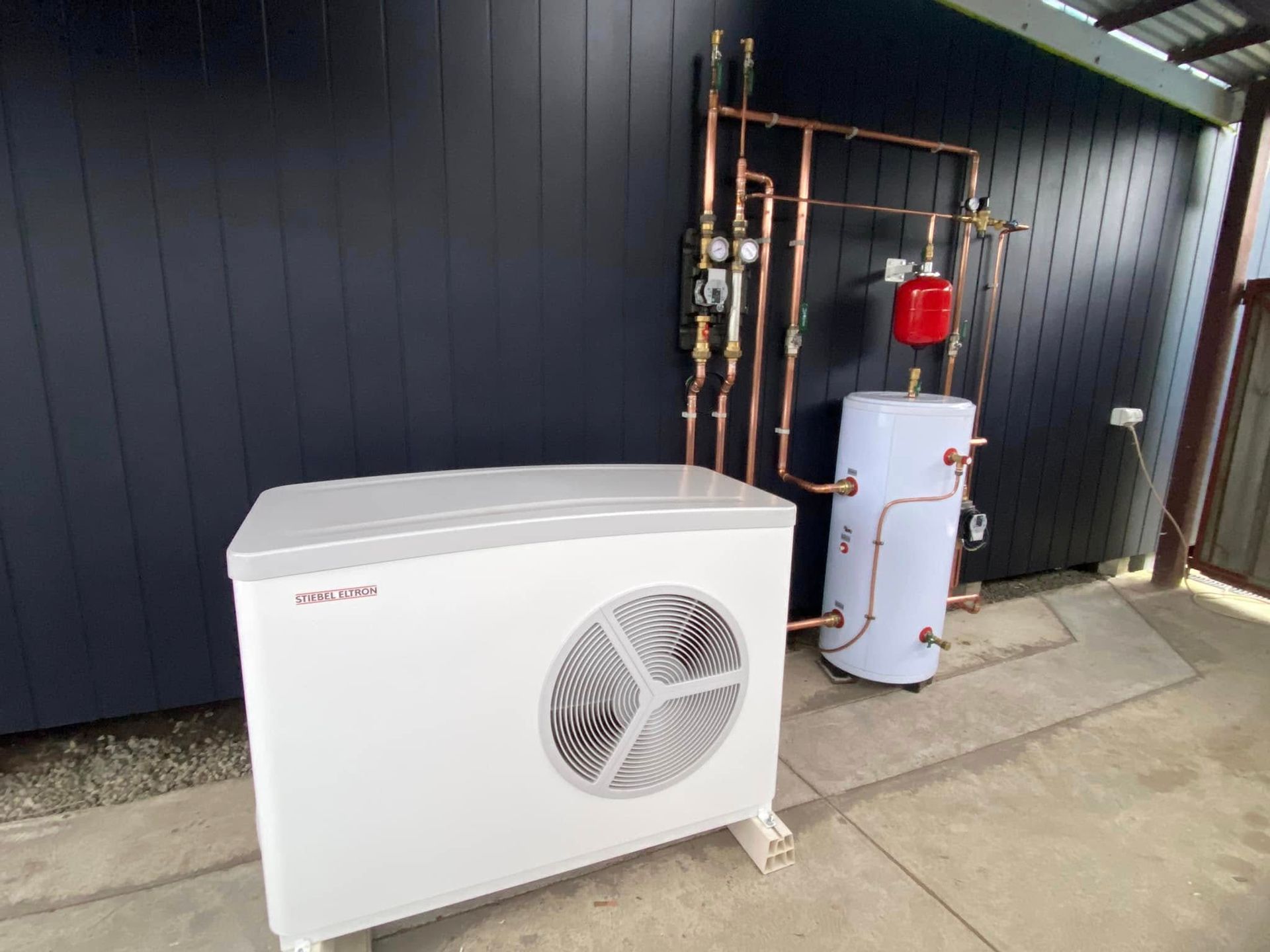
Underfloor heating can be supplied by a high-efficiency condensing gas boiler or a hydronic heat pump. Our recent new builds in Silverleaves and Tooradin both used Immergas Magis hydronic heat pumps with buffer tanks, supplying underfloor heating and radiator panels.
If you are building new, check your planning status early. Victoria phased out new gas connections for new homes and residential subdivisions requiring a planning permit applied for from 1 January 2024. For heat pumps, it also helps to know whether three phase power is available on site.
Looking After a Hydronic Underfloor System
Underfloor pipework is hidden, so the parts you can reach, such as the manifold, heat source and controls, deserve regular attention. Our servicing covers underfloor heating systems, flow balancing, temperature consistency and system water quality.
If something does go wrong, our underfloor repair work includes zone and thermostat fault diagnosis, manifold inspection and adjustment, flow and circulation testing, and pipe and connection checks. In our Frankston South project, an existing underfloor system was flushed and fitted with a MagnaClean magnetic filter to help support long-term performance and reduce sludge build-up.
Underfloor Heating Installation Across Melbourne and the Mornington Peninsula
AquaHeat is based in Frankston South and has completed underfloor heating projects in Silverleaves, Tooradin and Frankston South. We install hydronic systems for homeowners, renovators and builders across Melbourne, the Mornington Peninsula and surrounding areas, and can confirm availability for regional Victoria on request.
Every installation starts with a heat-loss calculation and system design, followed by a Provisional Costing Quote and a Fixed Price Contract once the design is confirmed. Installation work includes VBA compliance certificates where applicable, and AquaHeat is insured to $10 million. See our
underfloor and hydronic installation projects, explore our full
hydronic heating installation services, or learn more about
AquaHeat Hydronic in Frankston South.
Frequently Asked Questions
Can hydronic underfloor heating be installed in an existing home?
Often, yes. Retrofit and low-profile systems are designed for existing floors, although floor height and structure affect what is possible. A site inspection helps confirm the right method.
What is the difference between in-slab and in-screed heating?
In-slab heating is laid within the concrete slab of a new build before it is poured. In-screed heating is embedded in a screed layer over a base, which often suits renovations and extensions.
How much floor height does low-profile underfloor heating add?
It depends on the system and finish. In our Silverleaves project, a low-profile Uponor MiniTec system finished at approximately 15mm overall height.
When should I contact you about underfloor heating for a new build?
As early as possible, ideally while plans are being finalised. In-slab and in-screed pipework must be installed at specific stages of construction, so timing needs to be coordinated with your builder.
Can I have underfloor heating and radiators in the same system?
Yes. We regularly design zoned systems that combine underfloor heating with radiator panels, heated towel rails and trench convectors, each controlled by its own thermostat.
Does underfloor heating work with a heat pump?
Yes. Our Silverleaves and Tooradin new builds both use hydronic heat pumps with buffer tanks to supply underfloor heating and radiators. We compare heat source options for your property during the quoting process.
Can you control different rooms separately?
Yes. Underfloor circuits run back to a manifold, which allows the system to be divided into zones with dedicated thermostats.
Do you service and repair underfloor heating?
Yes. We service and repair hydronic underfloor systems, including zone and thermostat faults, manifold adjustments and circulation issues, regardless of who installed them.
How much does hydronic underfloor heating installation cost?
Pricing depends on floor area, installation method, zones, heat source and project stage, so we do not publish set prices. We provide a Provisional Costing Quote, then a Fixed Price Contract once the design is confirmed.
Book Your Hydronic Underfloor Heating Installation in Melbourne
The best time to plan underfloor heating is before the floor is built or laid. AquaHeat designs and installs in-slab, in-screed and low-profile systems, backed by more than 27 years of specialist hydronic experience and an owner-led approach from first call to commissioning.
Call 0456 247 183 or email info@aqhc.com.au to discuss your hydronic underfloor heating installation in Melbourne.
Recent Blogs