Hydronic Heating Servicing in Melbourne: Your Post-Winter Check-Up Guide (and When to Call for Repairs)
Heat Source, Zoning and Pipework
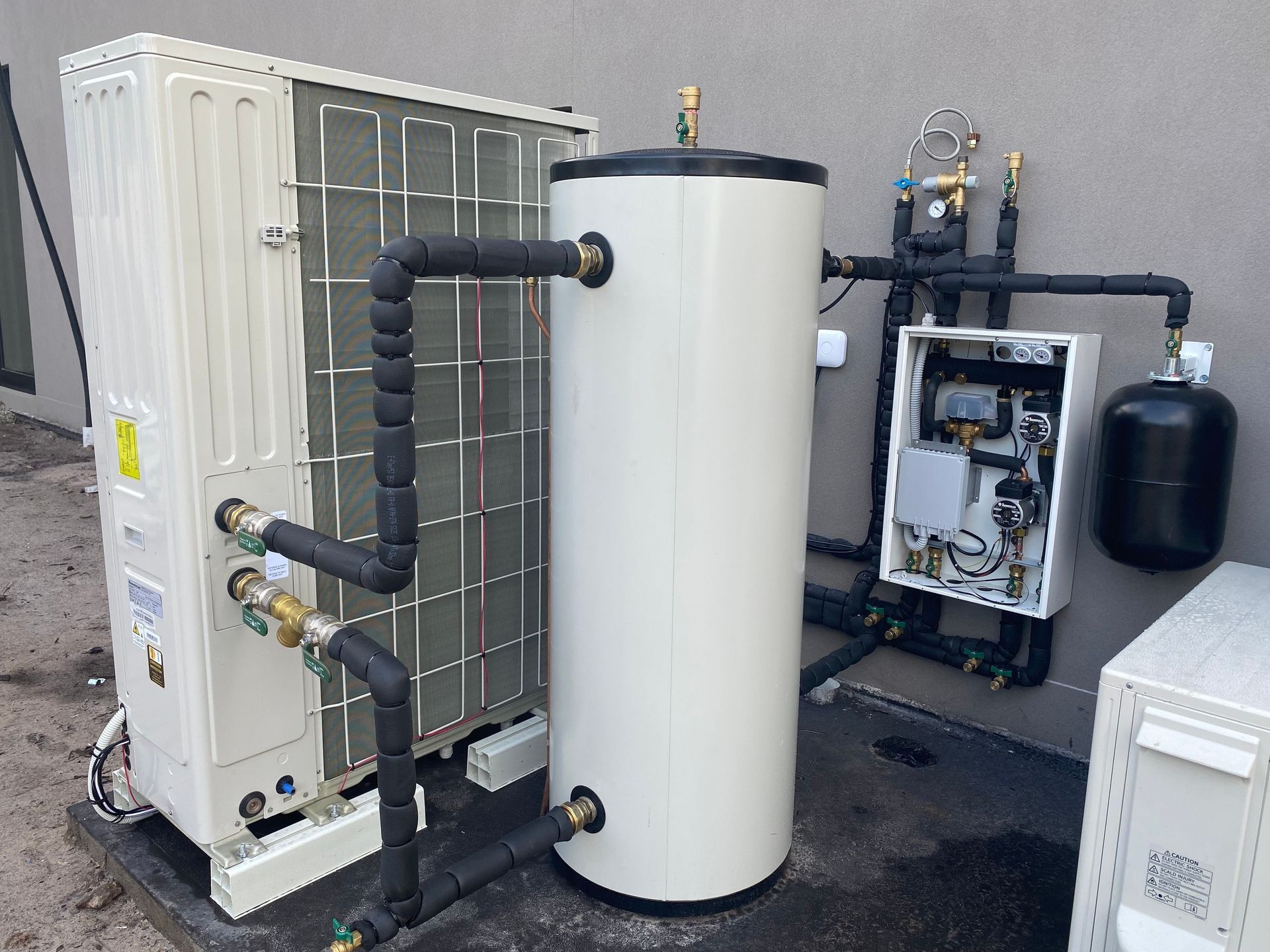
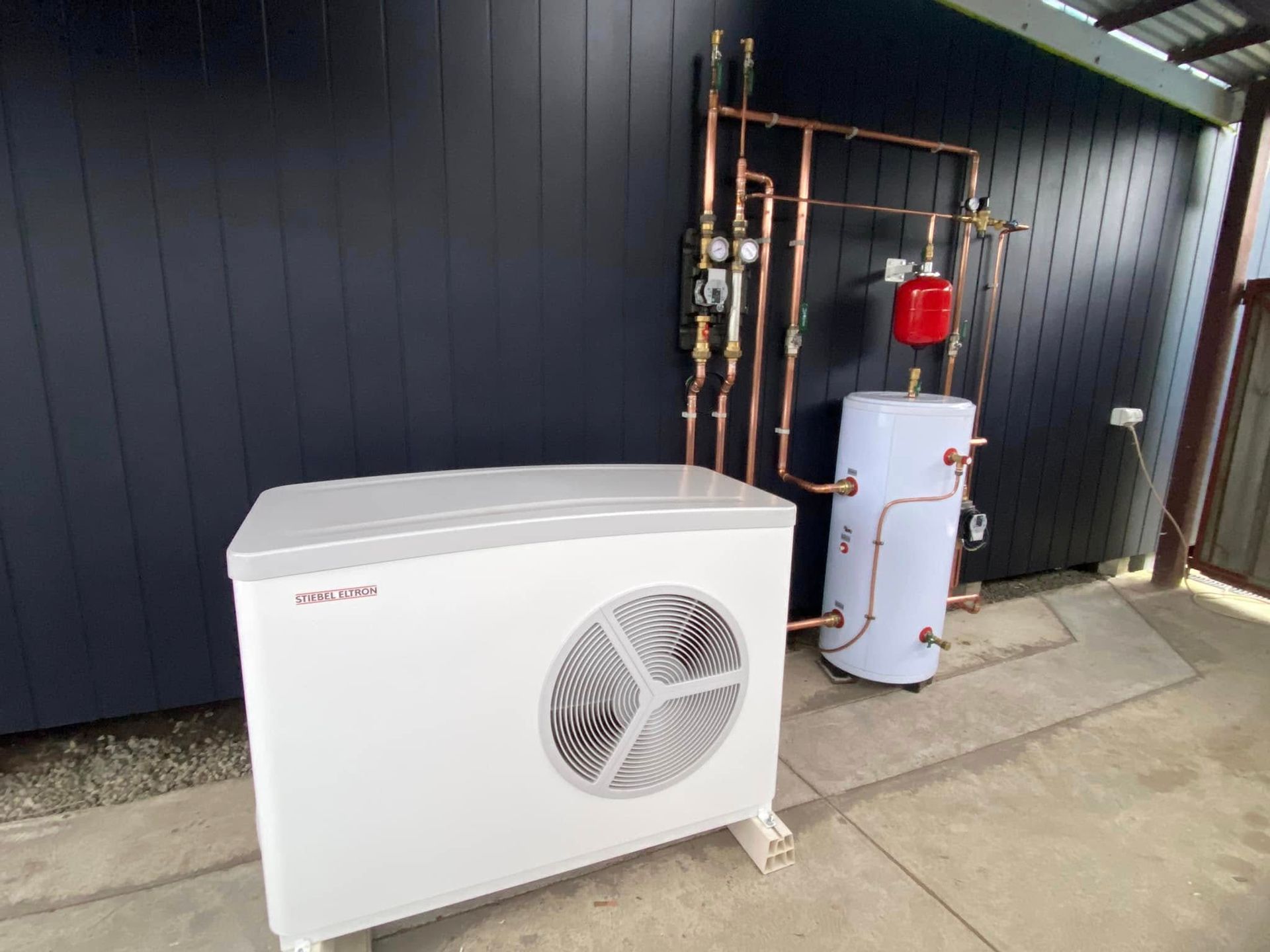
We install high-efficiency condensing gas boilers and hydronic heat pumps, in wall-hung and outdoor unit configurations, along with buffer tanks and system integration. The right choice depends on your property, your energy source preference and your priorities for upfront and running costs. We talk through both options with you during the consultation.
For
hydronic heat pump installation, your power supply matters. Our recent new builds include a 16 kW single-phase heat pump in Silverleaves and a 22 kW three-phase heat pump in Tooradin, so it helps to know early whether three-phase power is available on your site.
Winter has done its work, and your hydronic system has probably run harder over the past few months than at any other time of year. Spring is a practical time to book hydronic heating servicing in Melbourne: the system has just come through its busiest season, any small issues are fresh, and there's plenty of time to sort them out before the cold returns.
This guide explains what a professional service covers, how often to book, the warning signs that point to a repair, and what you can safely check yourself in the meantime. It's written for homeowners and property owners in Frankston, the Mornington Peninsula and across Melbourne.
Why Spring Is a Smart Time for Hydronic Heating Servicing in Melbourne
Most people only think about their heating when it stops working on a cold night. The trouble is that winter is our busiest period for repairs, so a breakdown in June or July can mean a wait.
Servicing in spring flips that around. Your system has just completed a full heating season, so anything it struggled with, such as a radiator that never quite warmed up, a pressure gauge that kept dropping or a zone that lagged, is still easy to remember and point out. Any work needed can then be scheduled calmly, rather than in the middle of a cold snap.
It's also a good time if you've recently bought a home with an existing hydronic system and have no service history. A post-winter check gives you a clear picture of its condition before next year.
What a Hydronic Heating Service Includes
Every service we carry out covers the whole system, not just the heat source. Here's what's typically checked:
| Service area | What's checked |
|---|---|
| Gas boiler | Full inspection, safety and pressure checks, component cleaning and testing, efficiency assessment |
| Hydronic heat pump | Performance checks, electrical and mechanical inspection, flow and pressure testing, early fault detection |
| System performance | Radiator and emitter output, flow balancing, temperature consistency, cold spots |
| Emitters | Radiator panels, underfloor heating, trench convectors and heated towel rails |
| Water quality and system health | System water inspection, corrosion risk checks, flow efficiency, general condition |
| Preventative maintenance | Component wear assessment, condition reporting and efficiency optimisation |
Hydronic boiler servicing
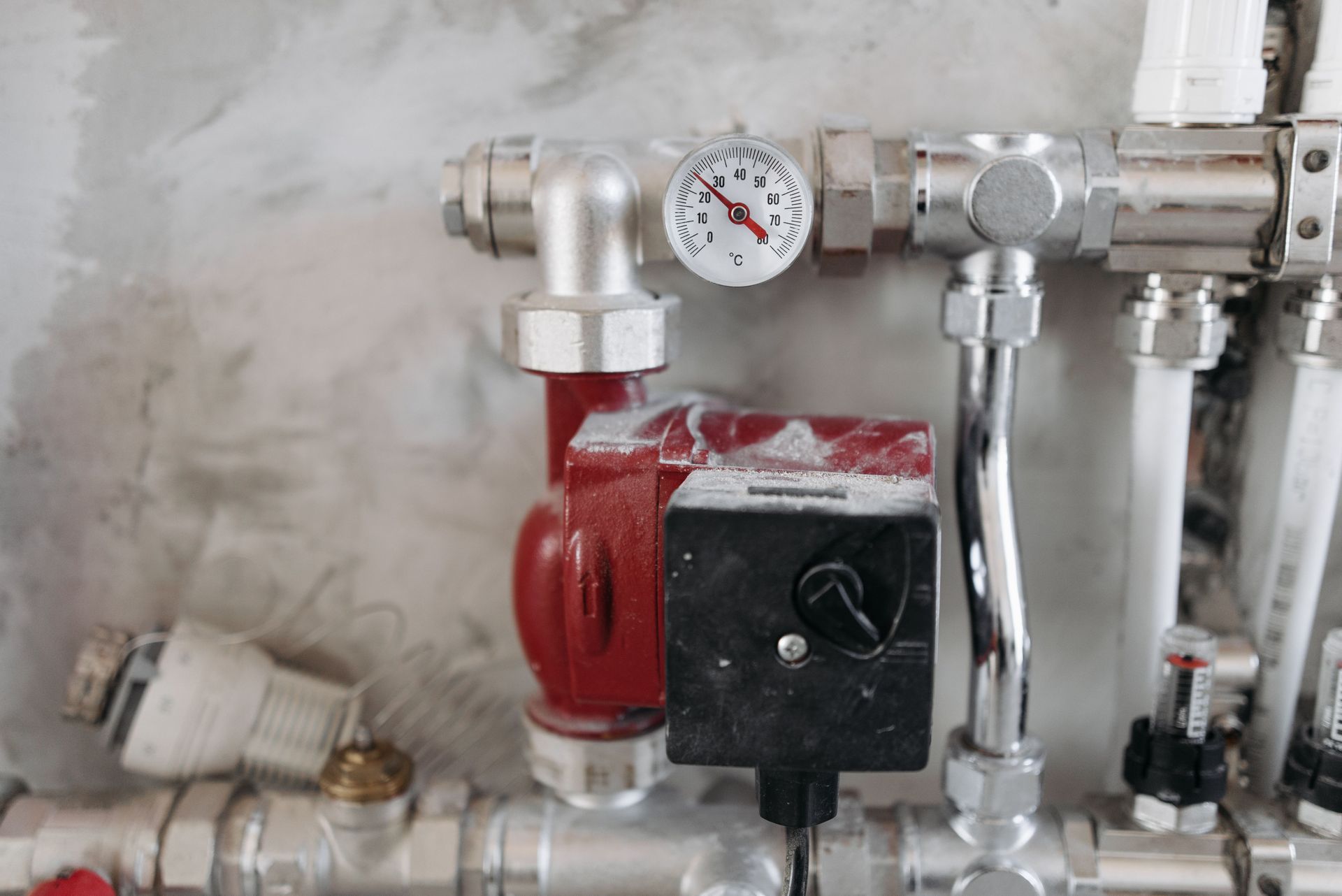
Hydronic boiler servicing focuses on safe operation and performance. We inspect the boiler, check safety devices and system pressure, clean and test key components, and assess how efficiently it's running. Because gas appliances are involved, this work should always be carried out by a licensed professional.
Hydronic heat pump servicing
Heat pumps need a different set of checks. We inspect electrical and mechanical components, test flow and pressure, evaluate efficiency and look for early signs of faults so they can be addressed before they affect performance.
Radiators, underfloor heating and towel rails
Hydronic systems rely on balanced heat distribution. We check each emitter's output, assess flow balancing and look for temperature inconsistencies between rooms, whether your home has radiator panels, underfloor heating, trench convectors, towel rails or a mix of all four.
Water quality and system health
The water circulating through your system affects its internal components. We inspect system water, check for corrosion risk and review flow efficiency. On one Frankston South project, for example, we flushed an existing underfloor system and added a magnetic filter to help reduce sludge build-up over time.
After every service, we explain what we found, flag anything to watch and recommend next steps, with no pressure. If an older component is near the end of its working life, we'll talk you through repair options or
hydronic heating system upgrades so you can decide what suits your home.
How Often Should You Service a Hydronic System?
We generally recommend servicing every one to two years, depending on your system, its age and how often it's used. A system that runs daily through a long Mornington Peninsula winter may benefit from more frequent attention than one in a lightly used holiday home.
To keep things simple, we offer fixed-price annual and bi-annual servicing options. Packages are tailored to your system type and usage, and we can remind you when your next service is due. Pricing isn't published online, so get in touch for servicing options for your system.
Structured servicing options are available for residential clients and ongoing maintenance customers. If you own a rental or commercial property with a hydronic system, get in touch to discuss a servicing arrangement that suits it.
Regular maintenance helps your system run as it should, can catch small issues before they become costly repairs and may help extend the working life of your equipment.
Want to lock in a regular service? Call
0456 247 183
or email
info@aqhc.com.au.
Servicing vs Repairs: What's the Difference?
| Routine servicing | Repairs |
|---|---|
| Planned in advance at a time that suits you | Needed when something has stopped working or isn't performing |
| Checks the whole system for condition and performance | Focuses on diagnosing and fixing a specific fault |
| Aims to catch wear and early issues | Replaces or repairs faulty components such as valves, controls or PCBs |
| Ends with a service report and recommendations | Ends with testing to confirm the fault is resolved |
| Available on fixed-price annual and bi-annual options | Larger repairs are estimated before work proceeds |
Servicing and repairs work hand in hand. A service may uncover a component that needs replacing, and after a repair, regular servicing helps keep the system on track.
Warning Signs Your System Needs a Repair
Some issues can't wait for the next scheduled service. Contact a hydronic technician if you notice:
- Cold radiators or cold spots, often caused by trapped air, circulation problems or valve faults
- Uneven heating between rooms or zones
- Unusual noises from pipes, radiators or the heat source
- Low or dropping system pressure, which can point to a leak or air ingress
- Fault codes on your boiler or heat pump display
- Underfloor zones not heating, which may involve thermostats, the manifold or circulation
- Visible leaks around pipework, valves or emitters
Hydronic heating repairs we handle
Our hydronic heating repairs in Frankston and across Melbourne cover:
- Boiler fault diagnosis, including fault codes, PCBs, electronic controls, ignition and combustion
- Radiator problems, including air locks, cold spots, leaks and flow balancing
- Underfloor heating repairs, including zone and thermostat faults and manifold adjustment
- Pipe leaks and pressure issues in copper and PEX pipework
- Valve and control repairs, including thermostatic radiator valves and mixing valves
- Heat pump performance problems, including buffer tank and flow checks
We focus on finding the real cause of a fault and fixing it properly, rather than applying a temporary patch.
Safe Checks You Can Do Before You Call
You don't need to open anything up to help us diagnose a problem. Before you call, it's worth:
- Noting the pressure gauge reading on your boiler or system, if it has one.
- Taking photos of any fault code, the gauge and the area around the heat source.
- Checking thermostat settings, schedules and batteries for the affected zone.
- Writing down which rooms or zones aren't heating and when the problem started.
- Looking for signs of water around pipes, valves and radiators.
Nick can often identify the likely cause from photographs before attending, which helps us arrive prepared with the right parts. Please leave anything involving gas, electrical components or opening the appliance to a licensed technician.
Our Servicing Process
Our hydronic system servicing follows seven clear steps:
- Booking and scheduling at a time that suits you
- System assessment to understand overall condition
- Boiler or heat pump service
- System performance checks across radiators and underfloor emitters
- Water quality and system health check
- Optimisation and adjustments to fine-tune the system
- Service report and recommendations
Areas We Cover, Licensing and Insurance
We're based in Frankston South and provide servicing and repairs across Frankston, the Mornington Peninsula, Bayside, South East Melbourne and greater Melbourne. For addresses in regional Victoria, get in touch and we'll let you know whether we can help.
AquaHeat holds
VBA Plumbing Licence No. 102719 and is
insured to $10 million.
Nick personally carries out the work, so you deal with the same specialist from booking to final report. For a closer look at what's involved, see our full
hydronic heating servicing and boiler maintenance checklist.
Frequently Asked Questions
How often should my hydronic heating be serviced?
We generally recommend every one to two years, depending on the system, its age and how much it's used. We can advise on the right schedule and remind you when servicing is due.
Is spring a good time to service hydronic heating?
Yes. Your system has just finished its busiest season, so any issues are easy to identify. Booking outside winter also avoids our busiest period for repairs.
How much does hydronic heating servicing cost?
We offer fixed-price annual and bi-annual servicing options tailored to your system type and usage. Prices aren't published online, so contact us for a price for your system.
Do you service hydronic systems you didn't install?
Yes. We service and repair hydronic systems of all types and ages across Melbourne and the Mornington Peninsula, regardless of who installed them.
What's included in hydronic boiler servicing?
A boiler service includes a full inspection, safety and pressure checks, component cleaning and testing, an efficiency assessment and a system performance review.
Why is my radiator cold at the top?
A radiator that's cold at the top often has trapped air, while other cold spots can relate to circulation or valve issues. If it keeps happening, or your system pressure is dropping, book a technician to find the cause.
Can you diagnose a fault before coming out?
Often, yes. Photos of the fault code, pressure gauge and affected area frequently help Nick identify the likely cause before attending, so we arrive prepared.
How long does a hydronic repair take?
It depends on the fault. Some issues are fixed on the same visit, while more complex faults may need further diagnosis, parts or follow-up work.
Book Hydronic Heating Servicing in Melbourne Before Next Winter
A post-winter service is one of the simplest ways to look after your system and avoid surprises when the weather turns cold again. Whether you need routine maintenance or a repair, AquaHeat Hydronic in Frankston South specialises in hydronic systems only. You can also browse hydronic projects we've installed and maintained across Melbourne.
To book
hydronic heating servicing in Melbourne, Frankston or the Mornington Peninsula, call
0456 247 183 or email
info@aqhc.com.au.
Recent Blogs